Honest, informative and often heartbreaking history of animal welfare in Ireland. An emotionally difficult but necessary read. Especially gut-wrenching for the fact that many key problems (foxhunting! artificial insemination of greyhounds! dog racing!) remain unresolved to this day.
It was great (but unsurprising, really – Ireland is a small country) to meet a familiar name of Brendan Price in the very first chapter – I first heard about him many years ago in the context of his Seal Sanctuary.
I absolutely loved this book. The author’s thoughts and emotions were often so identical to mine, and it felt reassuring to know that other people are going through the same struggles when it comes to dog rescue.
It is very informative and well-written too, and I learned a lot from it about best (and less so) practices in shelters and rescue organisations.
The second book from Cara Achterbergh – this one has more focus on the situation in the shelters. Despite its really sad subject, manages to keep the reader hopeful, which is really important, because rescue takes a hard emotional toll on everyone involved. You cannot win every battle and some days it feels like you are losing most of the battles.
Useful insight into the transport side of the dog rescue in the US, with some additional information on the situation in the Southern shelters (most of it also covered by Cara Acherberg). The style of writing is not my cup of tea, but nonetheless it was great to read about the happy stories of unwanted dogs living happily ever after with their families in the wealthier part of the country (Amy Sutherland would be quite bitter about it, and for good reason).
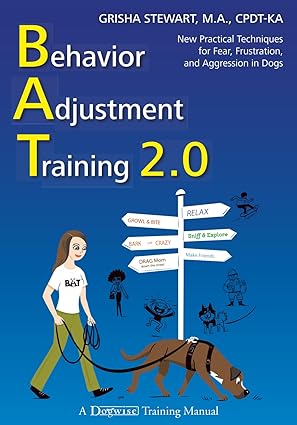
This was a life-saving book for me, introducing me to force-free methods of dealing with reactivity and explaining why reactivity happens. All my reading about dog behaviour has snowballed from this book.
Jean Donaldson is an absolute star of dog behaviour literature. This particular book breaks down different types of what we call “aggressive behaviour” and suggests solutions for each of the types. Unfortunately, her solutions are based on US context, which can be quite different from where I sit in Ireland, so not all of them are easy to implement. A valuable read nonetheless.
The book from the only dog trainer (that I have seen writing books about training) who knows what it is like to train a dog who is not inherently interested in working with you and gets no particular kick out of following your commands. Gave me an immense satisfaction to learn that my dog is not broken, he is just not a biddable breed. Very validating and super helpful for terrier owners.
A very useful and well-written book that explains the key groups of dog breeds – such as terriers, gundogs or sightounds – and the impact of breed traits on dog behaviour. The author then highlights common problems people experience with particular breeds and gives strategies for resolving those. An essential book for anyone doing research in preparation to getting a new dog or trying to understand why thier dog has a particularly stubborn set of problematic behaviours. Spoiler – sometimes it is just who they are! For example, it is completely unrealistic to expect from my terrier to not to want to hunt (and by this I mean chase AND bite) the free-roaming cats in our neighbourhood, however it might aggravate these cats’ owners.
If you needed to read just one book about dog enrichment, this is probably the best choice. Super informative and very well written. I really like the authors’ approach based on understanding dogs’ needs and making their life better in small, achievable steps.
Allie and Emily are very experienced in working with dogs in different environments, and give separate advice on “niche” subjects that rarely get attention in mainstream training sources (for example, on dogs with disabilities and on dogs in shelters).
The authors also have a podcast, which I found to be equally insightful and often going deeper into the nuances than most dog training podcasts do (I tried at least a dozen of them).